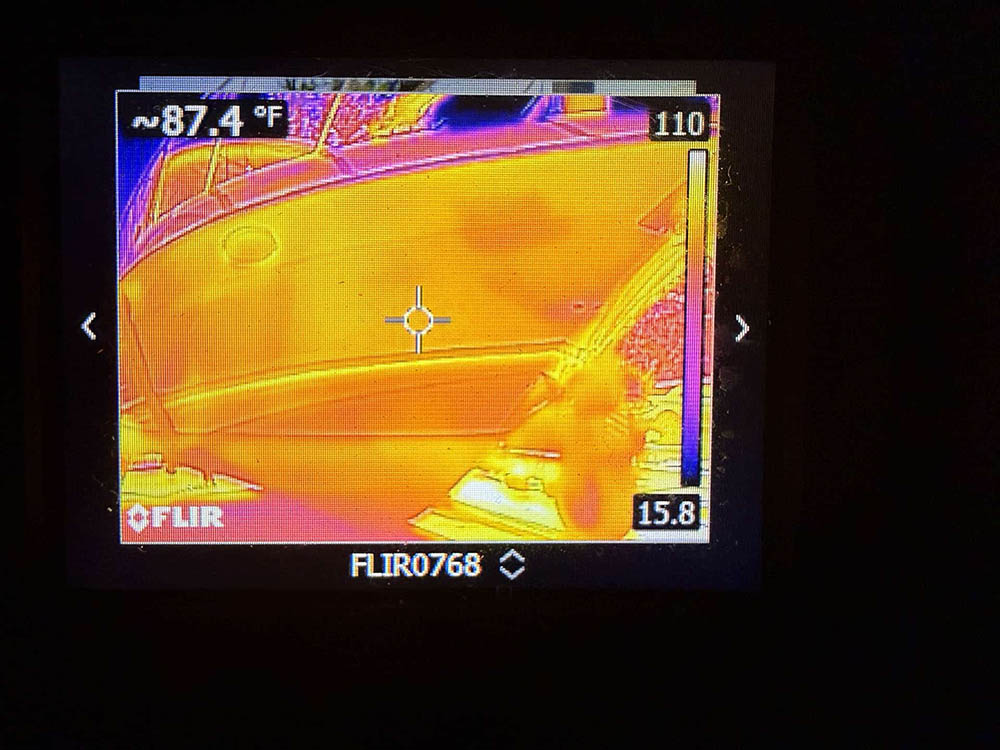
Marine thermal imaging (also sometimes referred to as thermography, infrared imaging or thermal scanning) is the means by which humans can see the infrared portion of the light spectrum.
Marine thermal imaging allows a trained marine surveyor to detect unusual temperature patterns that may not be visible during a standard inspection. Because marine surveys are generally non-destructive, components are inspected without unnecessary removal or disassembly.
A thermal scan may help identify concerns involving bearings, cooling systems, heat exchangers, manifolds, risers, engines, and electrical panels. For example, unusual heat patterns could indicate excessive friction, restricted coolant flow, loose electrical connections, or overloaded components.
Thermal imaging does not replace a qualified marine mechanic or electrician. Instead, it helps the surveyor identify areas that may require further testing, professional diagnosis, or repair before a vessel is purchased or placed into service.
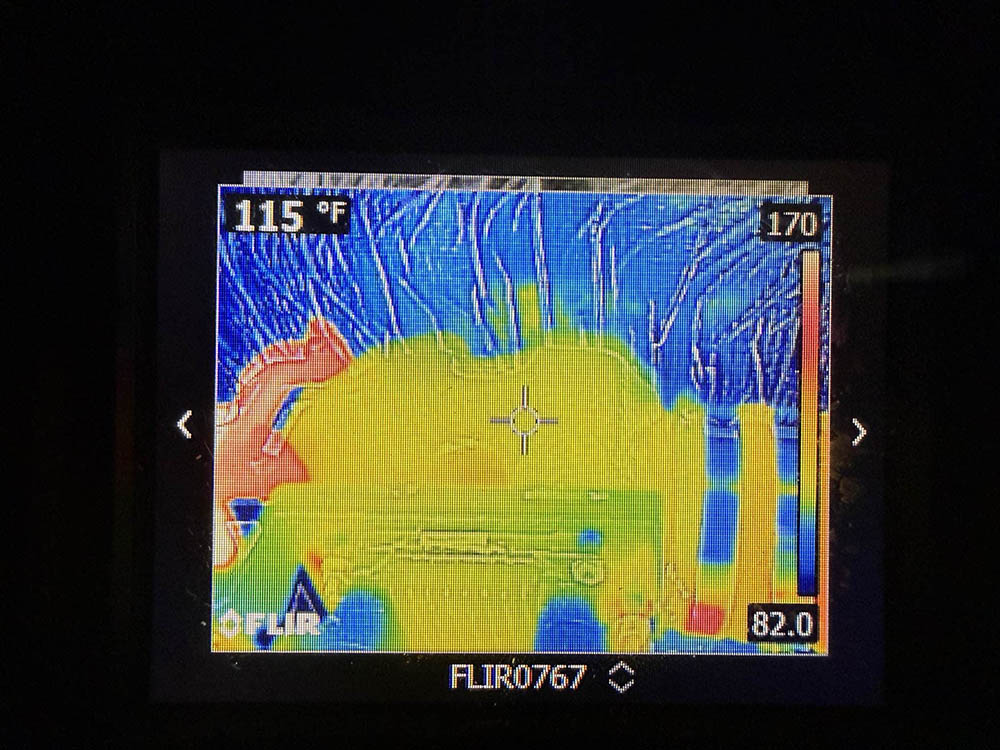
Every object gives off infrared energy based on its temperature. A thermal imaging camera detects this energy and displays temperature differences as a visible heat-map image. This makes it useful for identifying unusual temperature patterns in engines, electrical systems, machinery, wood, fiberglass, aluminum, and steel—even in complete darkness.
During a marine inspection, thermal imaging can help reveal areas that may require closer examination, such as electrical hot spots, cooling problems, hidden moisture, leaks, or structural irregularities.
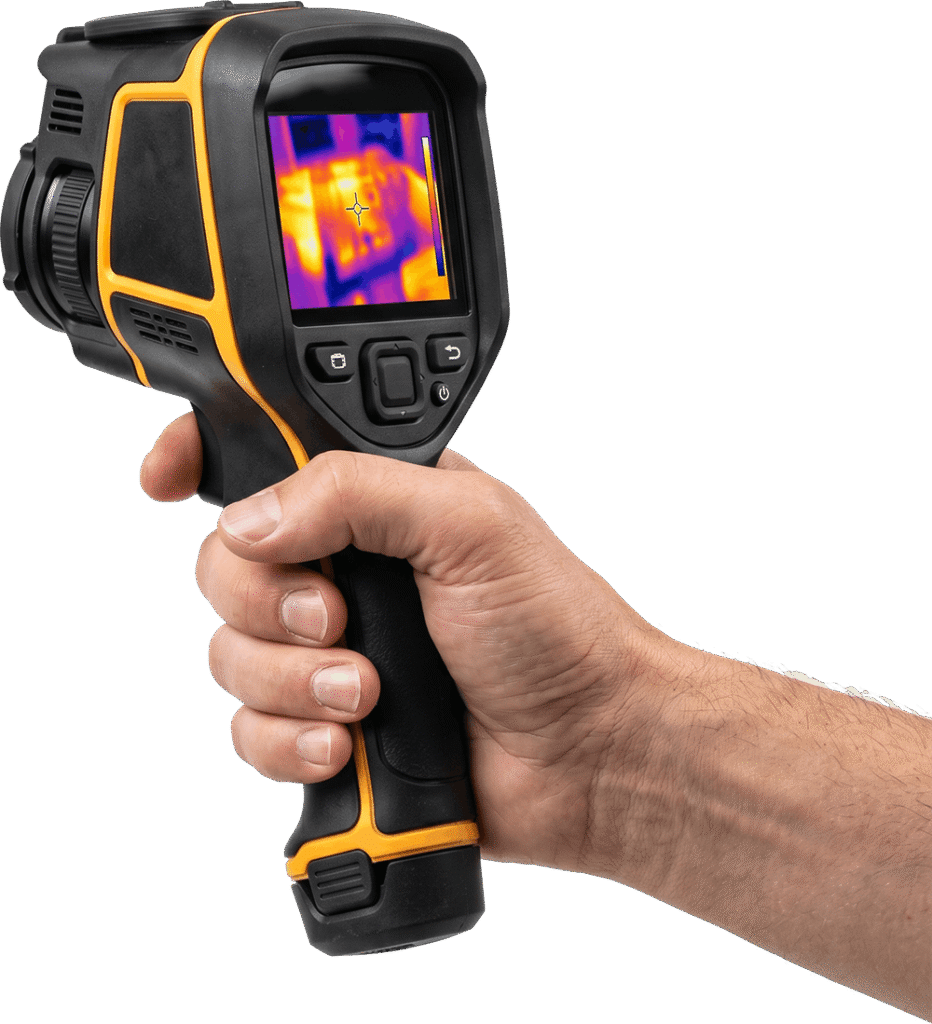
The thermographic camera works much like a handheld digital camera. It captures infrared temperature data and produces clear images that help the surveyor locate and document potential concerns. These findings are then evaluated alongside visual observations and other appropriate inspection methods.
There are numerous benefits to thermal imaging in many industries. In the marine industry there are many advantages to thermal imaging. Some of these advantages are
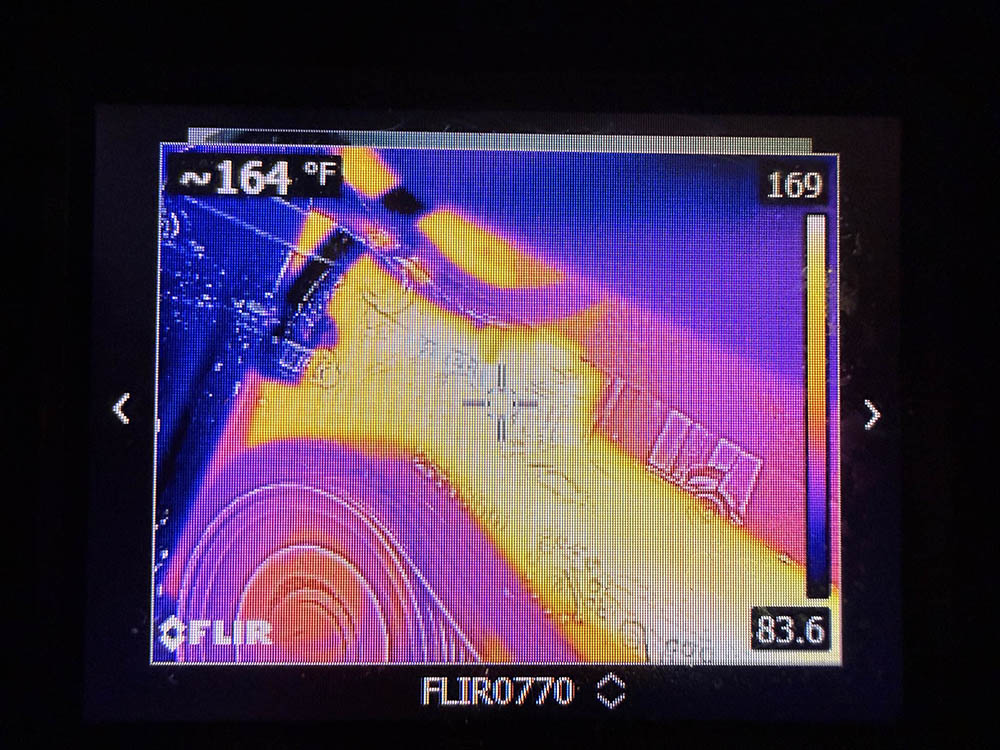
Thermal imaging can help identify temperature patterns that may indicate electrical overheating, leaking tanks, mechanical problems, or structural concerns before they become more serious and costly.
It can also assist in locating possible delamination in hulls and decks—issues that may be difficult to detect through visual inspection alone. When used by a trained surveyor, thermal imaging adds another valuable layer of information to the inspection process.
New Era Services combines thermal scanning with proven marine-surveying methods, including visual inspection, moisture testing, and percussion sounding. Together, these tools provide a more complete understanding of the vessel’s condition and help buyers and owners make confident decisions.